If no one is driving the truck, why build a cab?
That is the question behind Humble, a San Francisco startup that announced a $51 million Series A on November 5. The round was led by Obvious Ventures, the company said.
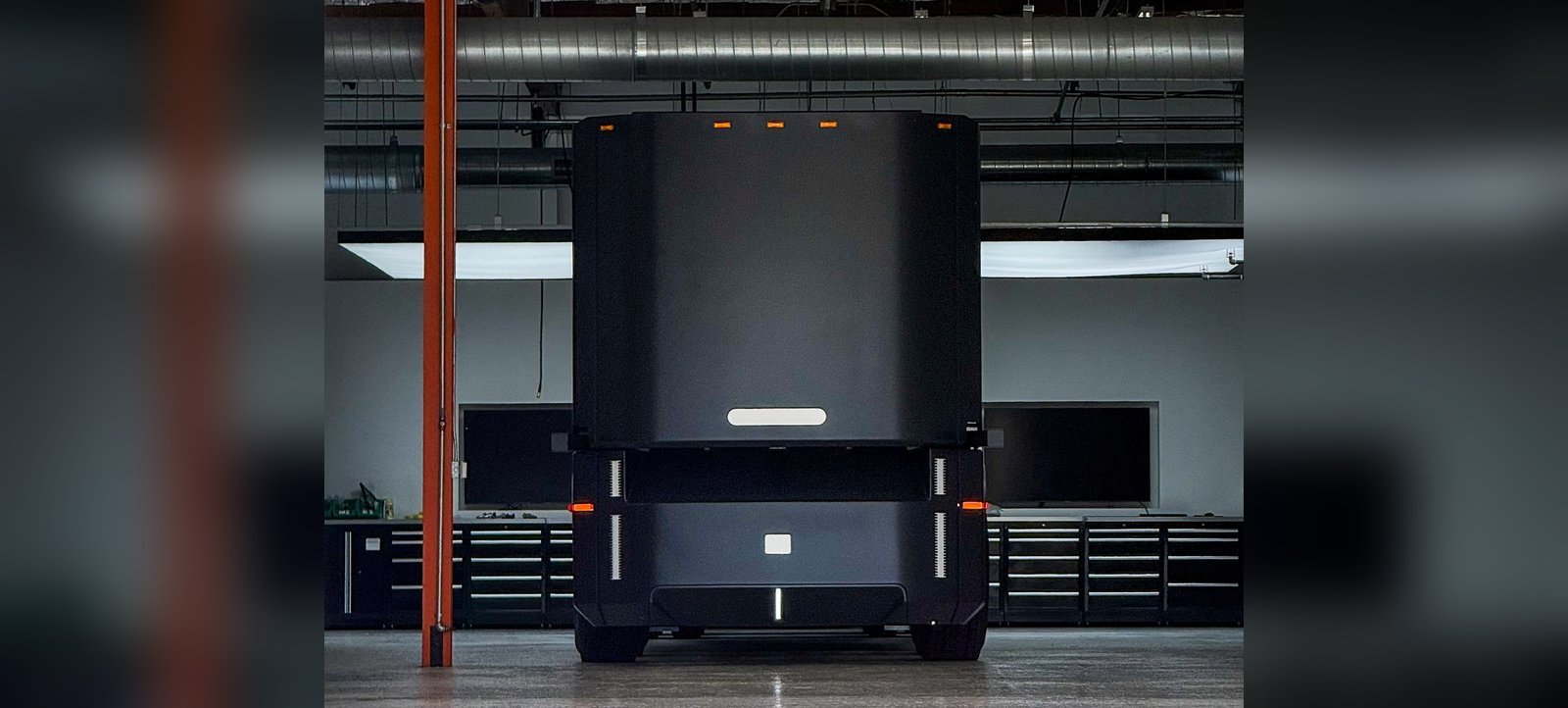
Humble's truck, the Humble Hauler, has no cab, no steering wheel and no driver's seat. It is a battery-electric platform for shipping containers. The company is starting with short runs between ports, rail yards and warehouses, not the open highway.
The logic is easy to follow. A cab exists for a person. Take the person away and the cab becomes dead weight. Humble says dropping it frees up payload, and that a truck with no driver can charge while it is loaded and run around the clock.
Whether it works on a busy dock is still to be proven. Humble has not said when the Hauler will haul paying freight. But investors were willing to put $51 million behind it, on top of a $24 million seed round in April.
That says a lot about where the industry is right now.
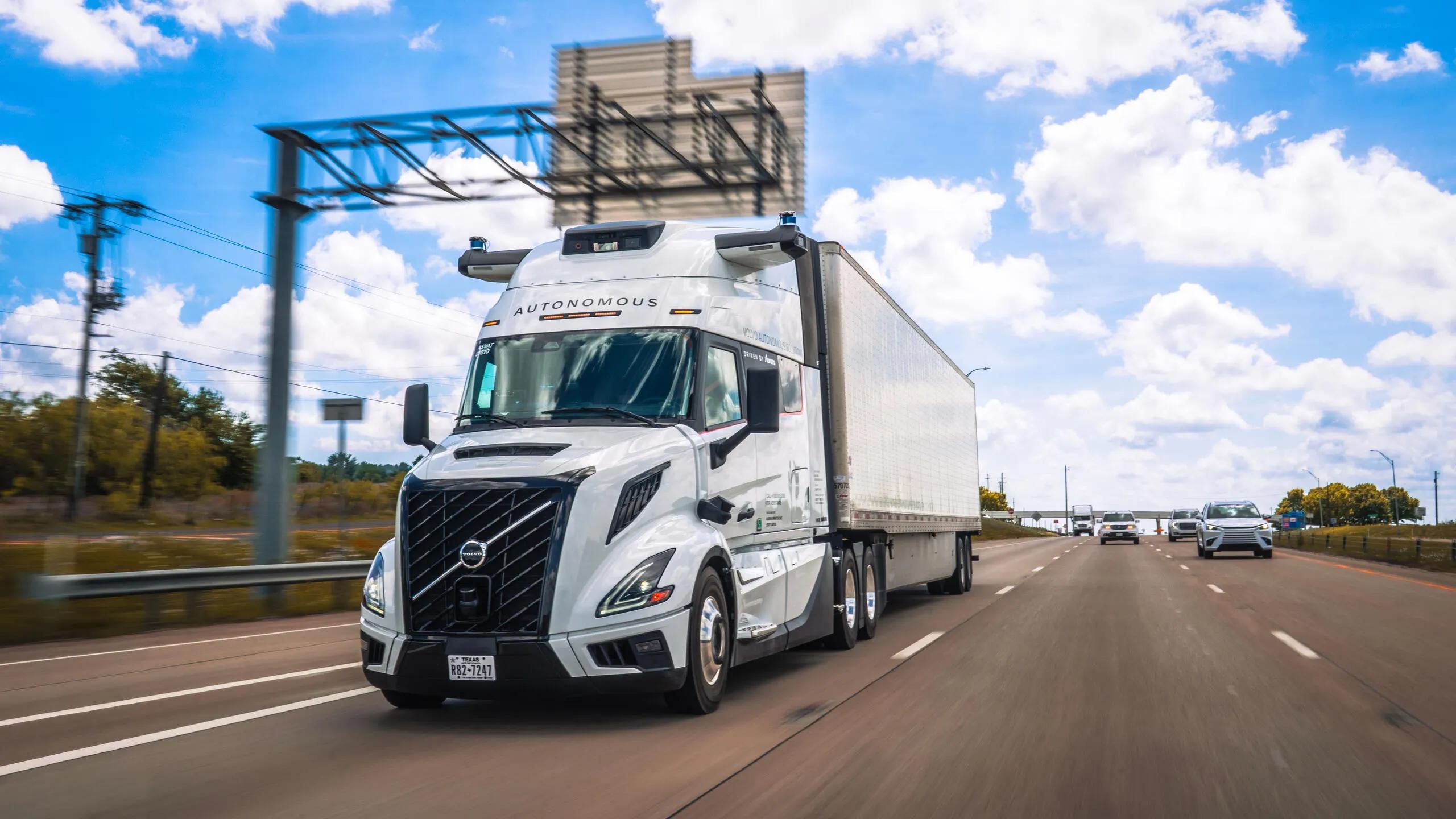
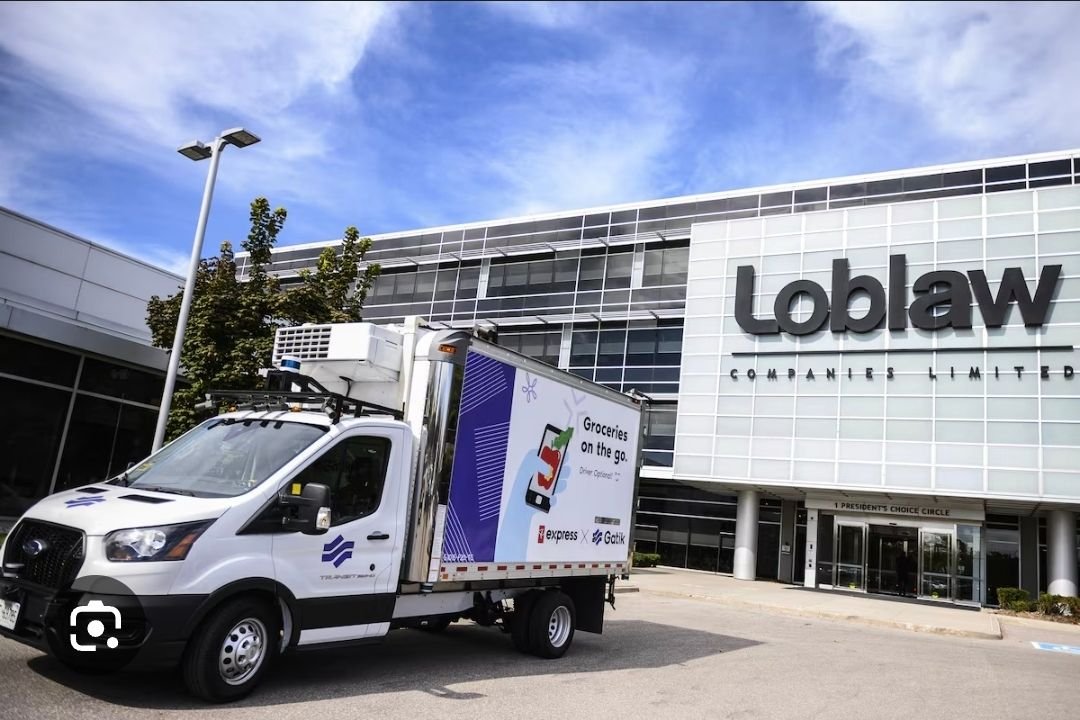
Ten years ago, the driverless truck was supposed to be an ordinary semi with a computer at the wheel. Today the ideas are all over the map. Aurora runs driverless trucks on U.S. highways and hands loads to human drivers near the city. Gatik runs smaller trucks on fixed short routes for PepsiCo. Volvo plans driverless trucks on U.S. highways in early 2027. Now Humble is taking the cab off entirely.
Cab or no cab. Highway or yard. Long haul or the last few miles. No one agrees yet, and the money is going to almost every idea.
Not all of them will make it. But the question Humble is asking is a fair one, and someone just paid $51 million to find out the answer.