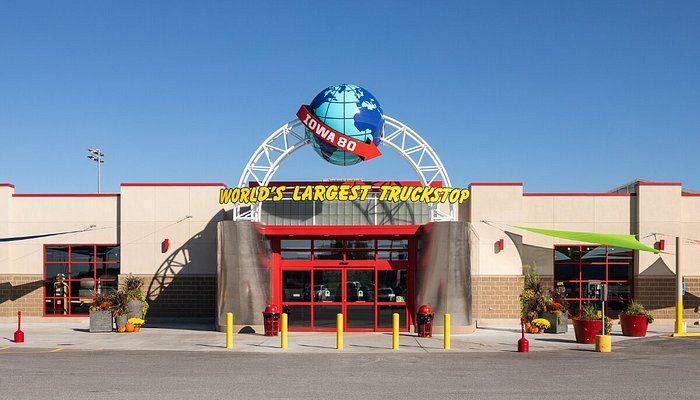
Truck stops are more than just fuel stations for long-haul drivers — they are essential rest points where truckers refuel, recharge, and recover during demanding routes. Yet, across many regions, especially along major freight corridors, food options at truck stops remain limited, repetitive, and often unhealthy. Increasing food diversity at these stops is not just a matter of convenience; it directly impacts driver health, satisfaction, and the efficiency of the supply chain.
One of the biggest challenges truck drivers face is maintaining a healthy diet on the road. Many truck stop menus are dominated by fried foods, processed meals, and sugary snacks, leaving drivers with few nutritious alternatives. Over time, this contributes to serious health issues such as obesity, diabetes, and heart disease — conditions already prevalent in the trucking industry due to sedentary work and irregular schedules. Expanding food diversity to include fresh salads, lean proteins, ethnic cuisine options, and plant-based meals would give drivers better control over their health without sacrificing convenience.
Food diversity also reflects the reality of today’s trucking workforce. Truck drivers come from a wide range of cultural and ethnic backgrounds, and their food preferences vary significantly. In regions like the Greater Toronto Area and across North America, the trucking industry is especially multicultural. Offering diverse food options — such as South Asian meals, Mediterranean dishes, or halal and vegetarian choices — helps truck stops better serve their customer base and makes drivers feel more respected and included.
Beyond health and culture, better food options can improve productivity and safety. A well-fed driver is a more alert driver. Heavy, low-quality meals often lead to fatigue and sluggishness, especially during long overnight hauls. When truck stops provide balanced and varied meals, drivers are more likely to stay energized and focused, reducing the risk of accidents on the road. In this sense, food diversity becomes a safety investment for the entire supply chain.
Finally, truck stops that invest in better food variety also gain a competitive advantage. Drivers tend to return to locations where they feel their needs are understood and met. A truck stop that offers fresh, diverse, and high-quality meals can become a preferred stop on major routes, increasing customer loyalty and long-term revenue.
In the evolving logistics industry, truck stops must adapt to the changing expectations of drivers. Food diversity is no longer a luxury — it is a necessity for health, inclusion, safety, and business growth.