A 31-year-old man from Fresno, California, has been arrested in central Indiana after police recovered nearly $3 million worth of stolen industrial cargo from a semi-trailer.
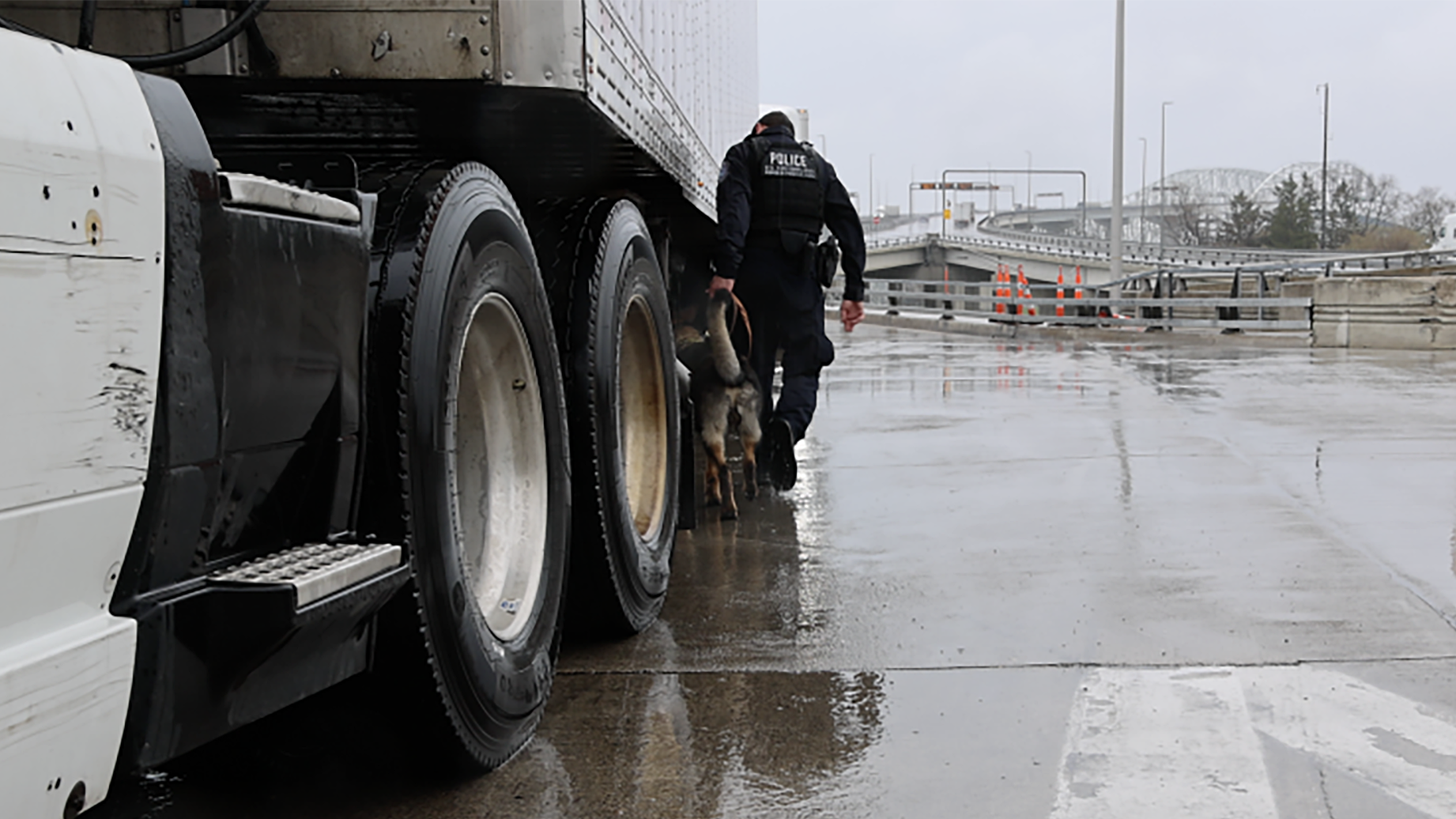
Officers with the Greenfield Police Department stopped the truck over the weekend as it travelled westbound on Interstate 70 through Hancock County. Police acted on a tip, and the truck had already been flagged as wanted in connection with a cargo theft in Pennsylvania days earlier, on June 25.
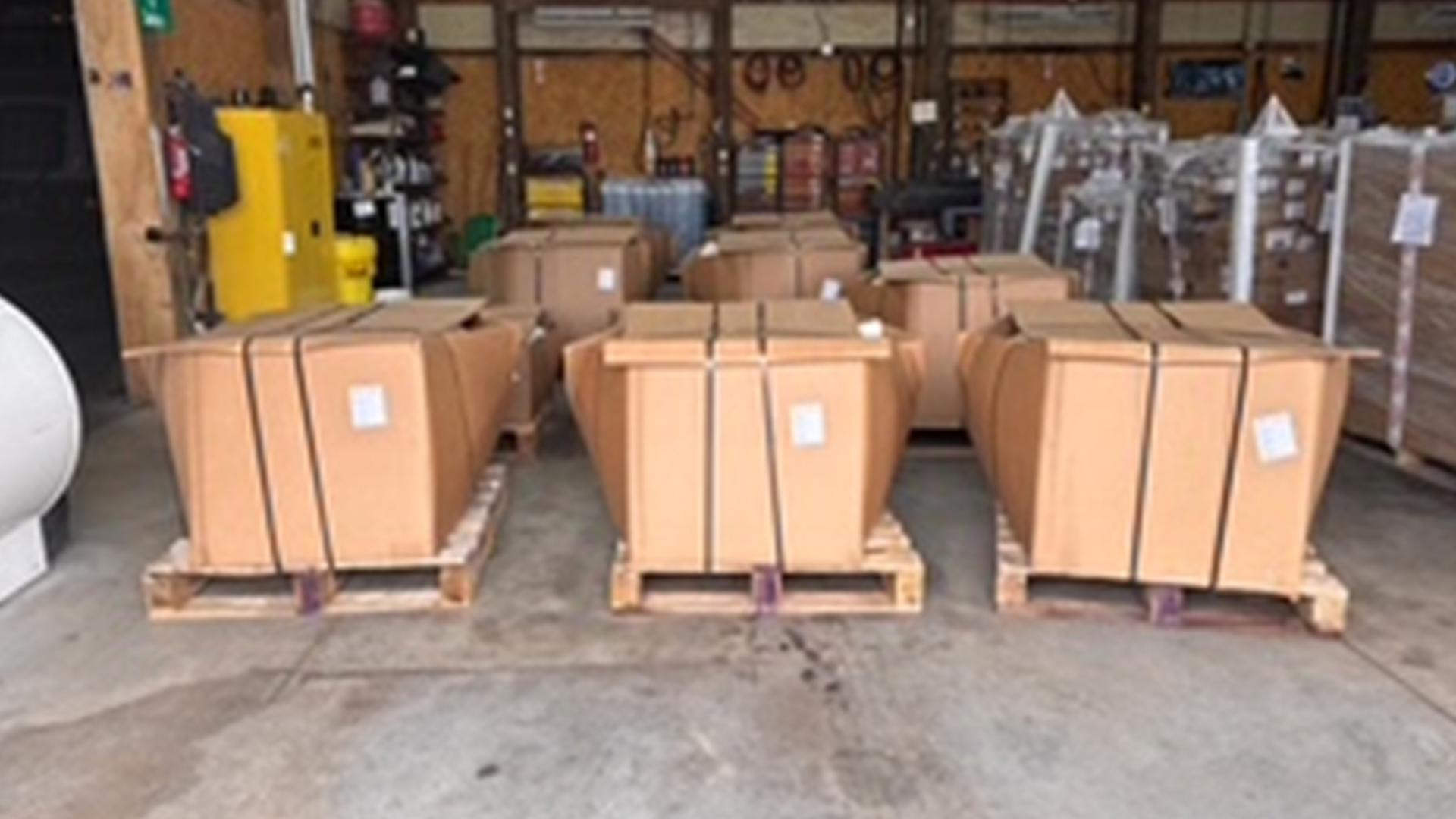
Inside the trailer, police found close to 40,000 pounds of tungsten oxide powder valued at $2,857,500. The shipment was bound for Mitsubishi Materials Corporation in Japan. A representative from the company later travelled to Greenfield to take possession of the recovered cargo.
Authorities in Pennsylvania had issued an arrest warrant charging the man with theft by unlawful taking of movable property and criminal use of a communication facility. Investigators say he used fraudulent documents to obtain the load.
That detail points to the method behind the theft. Rather than breaking into a yard or cutting a trailer loose, the suspect is accused of using forged or stolen paperwork to pick up the freight as though he were a legitimate carrier — a tactic known in the industry as strategic or fictitious-pickup theft. The cargo is handed over willingly at the dock, and the load simply never arrives, often surfacing states away, as this one did when a Pennsylvania shipment turned up on an Indiana interstate.
The approach has driven a sharp rise in cargo crime, with industry trackers reporting cargo theft up roughly 60 per cent in 2025 and hundreds of millions of dollars in losses. High-value, export-bound commodities such as specialty metals are favoured targets because they carry seven-figure value in a single trailer and move through long supply chains with multiple handoffs.
For carriers, brokers and shippers, the case underscores the basic defences against fraudulent pickups: verifying carrier identity and motor carrier numbers before releasing a load, watching for last-minute changes to dispatch or routing, protecting broker and shipper credentials, and flagging shipments that suddenly head in the wrong direction.