There is a difference between a carrier who makes a mistake and a carrier who deliberately breaks the law, and after Montgomery v. Caribe, brokers have every reason to treat the second one as a liability they can't afford.
TruckNmore has heard from multiple owner-operators and carriers who say they were dropped by C.H. Robinson and other large brokers over safety violations, some of them given little explanation beyond a referral back to FMCSA to clean up their scores. The pattern lines up with what the brokers themselves have signaled since the ruling, and it is hitting small operators hardest.
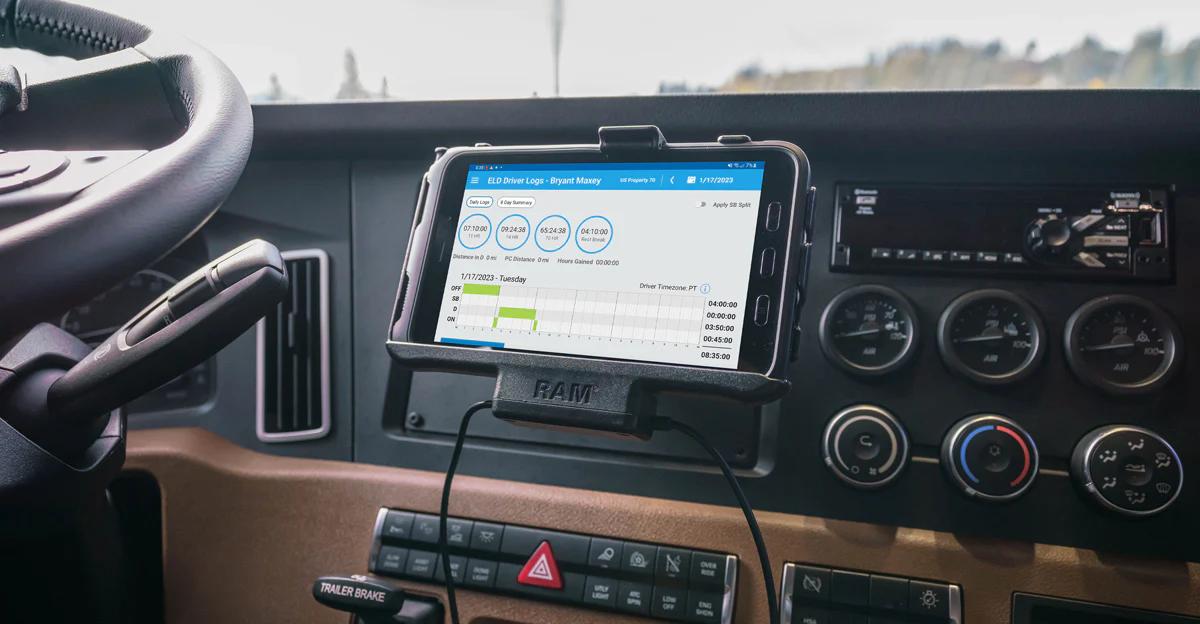
Falsifying a logbook is not an oversight. It is a deliberate choice to break the law and cover it up. A driver who runs over hours and then alters the record to hide it has decided, on purpose, to defeat the one system meant to keep an exhausted driver off the road. Brokers know exactly what that signals. A carrier willing to break the law on its logbook is a carrier willing to cut any corner when no one is watching. And now that brokers are personally on the hook, that is the last kind of carrier they will load.
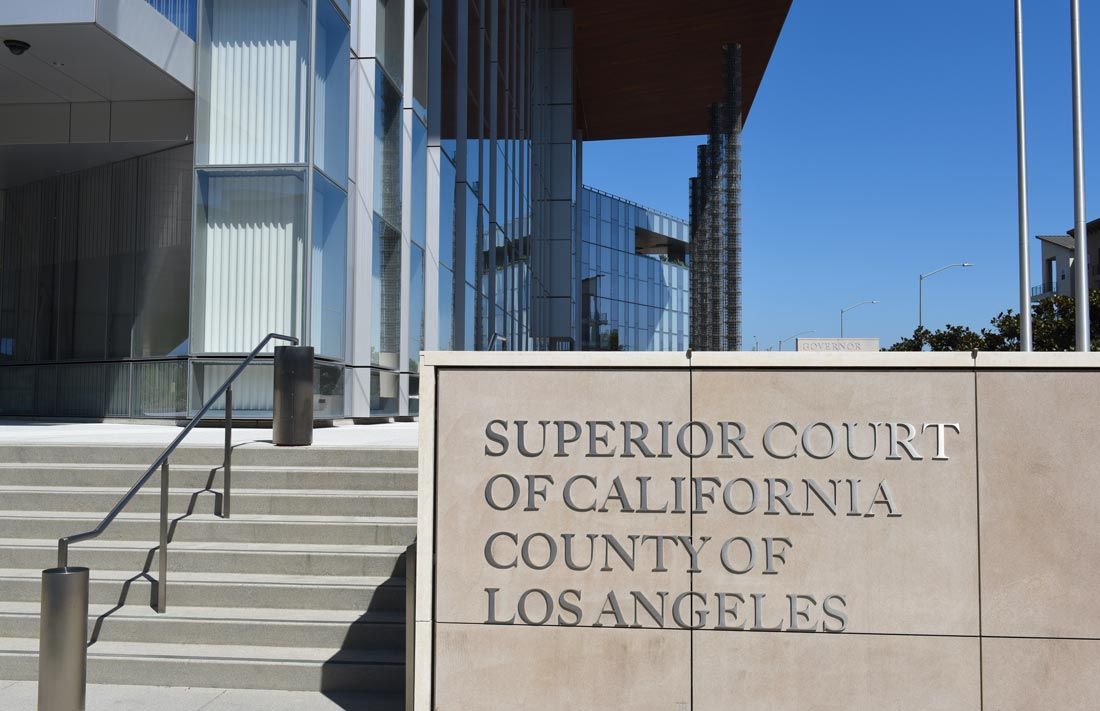
Montgomery v. Caribe stripped away the federal shield brokers used to dodge negligent-hiring claims. They can now be dragged into state court and made to answer for why they selected an unsafe carrier. The legal test is whether the broker exercised reasonable care. Put a falsification flag in front of that test and the broker has no defense left. They did not unknowingly hire a bad actor. They saw a carrier whose own records prove it breaks the law on safety, and they loaded it anyway. In front of a jury, with a catastrophically injured plaintiff at the table and a verdict that can run past $10 million, that broker is finished.
No broker is going to take that risk for the sake of one more truck. The revenue from your load is nothing against a single nuclear verdict. So when the broker sees that flag, the decision is not close. They cut you loose, and they do it fast, because keeping you on the board is keeping a loaded gun pointed at their own company.
Here is the part that should stop every owner-operator cold. This flag does not hide. Every Hours-of-Service violation, falsification included, is weighted into the HOS Compliance BASIC in FMCSA's Safety Measurement System, and that is the exact data brokers pull when they vet you. The broker cannot claim ignorance, and neither can you. The moment that flag posts, it is sitting in the system every broker screens before they tender a load. You will not get a warning. You will just watch the loads stop coming, and you will not always know why. The carriers who called TruckNmore described exactly that, work drying up before anyone told them why.
And enforcement is closing every back door. The ghost-driver trick, multiple logins run under one driver to keep the record looking clean, is well known to inspectors now. The chameleon-fleet networks built on backend ELD manipulation are under direct scrutiny. The schemes that used to work are the schemes getting carriers flagged today. Every one of those flags lands in the data, and the data is exactly what the broker is now legally desperate to read closely.
So understand what is actually at stake. The fines for falsifying logs are brutal on their own, $3,000 to $10,000 per violation, with criminal charges possible in the worst cases. But the fine is survivable. Losing every broker relationship you have is not. One falsification flag can mark you as a carrier no broker will touch, not because they think you are a bad person, but because loading you could end their company. In this market, that flag is not a slap on the wrist. It is a death sentence for your authority.
The carriers who win the next few years will be the ones with nothing to hide in the system. A clean HOS record was always worth protecting. Now it is the difference between staying loaded and watching the loads go to someone else.