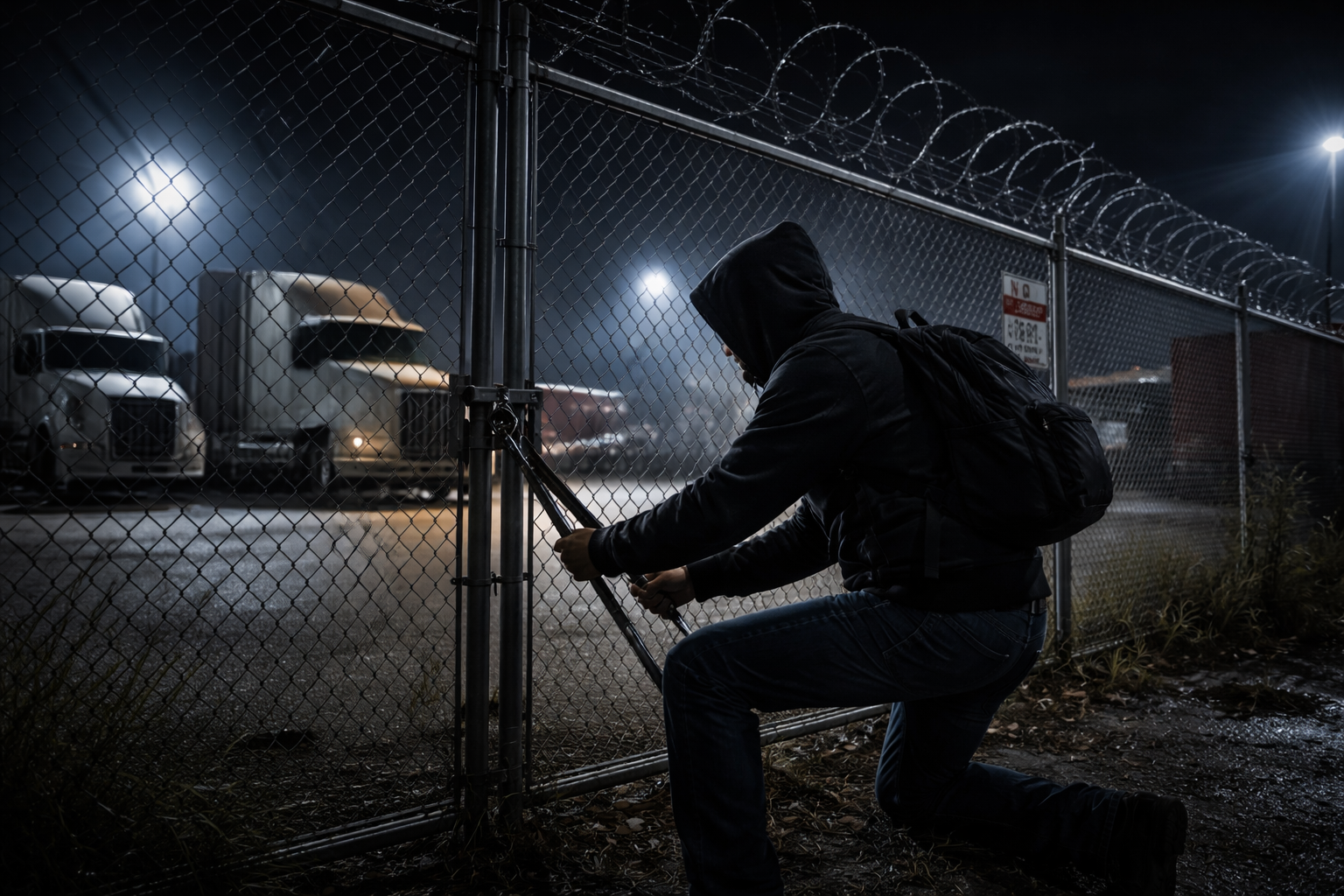
Cargo theft isn't just a trucking problem anymore — it's become a full-blown crisis. In 2025, estimated losses hit nearly $725 million in the U.S. alone, a 60% jump from the year before. And it's expected to get worse, with analysts predicting another 13% increase through 2026. Cross the border into Canada, and the picture is just as alarming.
If you haul freight for a living, this should be on your radar every single trip.
Where the theft is happening — United States
California and Texas are far and away the worst states in the country for cargo theft, accounting for 58% of all reported incidents in 2025. California alone represents 38% of total thefts. Texas comes in at 20%. What's interesting is that within California, theft activity is shifting. Los Angeles County — long the hottest hotspot — actually saw an 11% decline. But that doesn't mean things got safer. Kern County saw an 82% increase, and San Joaquin County jumped 44%. Criminals are following freight and moving to lower-security areas.
Beyond the two big states, New Jersey jumped 50%, Indiana climbed 30%, and Pennsylvania rose 24%. Tennessee, Illinois, and Georgia round out the most affected states. If you're running loads through any of these corridors, heightened vigilance isn't optional — it's essential.
Canada: The Greater Toronto Area Problem
Canada is facing its own cargo theft surge, and the Greater Toronto Area is ground zero. The GTA — including Peel Region, Brampton, Mississauga, and the Highway 401 and 410 corridors — has become one of the most targeted freight zones in North America. Warehouses, distribution centres, and staging yards in the area are regularly hit, particularly for electronics, food products, and pharmaceuticals.
Organized theft rings operating in the GTA often use the same tactics seen south of the border: fictitious pickups, cloned carrier identities, and coordinated warehouse raids. Loads heading through the GTA to and from the U.S. border are especially at risk during handoff periods. Canadian carriers and cross-border operators are strongly advised to verify all pickup credentials and use GPS tracking on every load.
What's being stolen
Electronics are the top target, making up 22% of all thefts. Food and beverages come in second at 15%, and home and garden products are third at 11%. High-value, easy-to-resell cargo is always the primary target, but organized rings will go after anything that moves in volume.
The new threat: deceptive pickups
One of the fastest-growing theft methods is called "deceptive pickup" — where criminals impersonate legitimate carriers or freight brokers to pick up loads with fake documentation. These schemes have increased 35% year-over-year and now account for 10% of all recorded cargo theft events. This means the threat isn't just at rest stops and truck yards. It starts the moment a load is dispatched.
What you can do
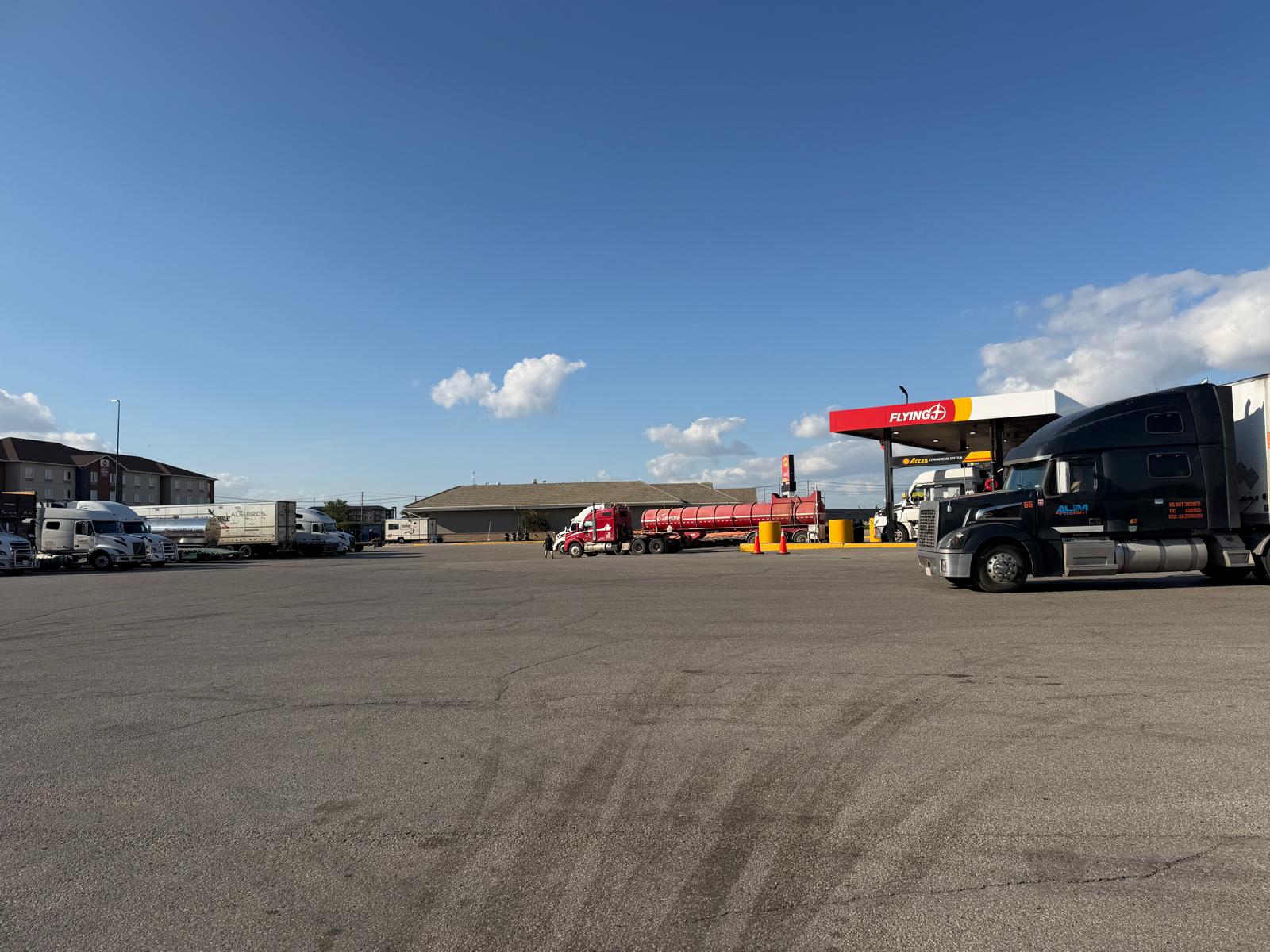
Verify broker credentials before releasing a load. Use tracking technology on high-value shipments. Report suspicious activity to CargoNet (U.S.) or the Canadian Trucking Alliance (Canada) immediately. And when parking overnight, avoid well-known theft hotspots — particularly around the Los Angeles basin, Dallas-Fort Worth, major New Jersey distribution hubs, and the Highway 401/410 corridor in the GTA.
Cargo theft is organized, sophisticated, and growing on both sides of the border. Don't let your load become a statistic.