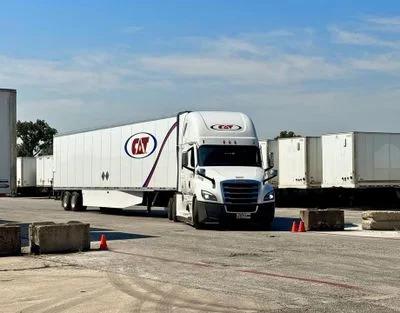
C.H. Robinson is one of the biggest freight brokers on the continent. Every week, thousands of trucks haul its loads and thousands of shippers hand it freight. So when the company's first quarter 2026 numbers came out, the line that mattered wasn't sales or profit. It was how many people are still left, and the answer is a lot fewer than there used to be. Average employee count in the first three months of 2026 was 12.3% lower than a year ago, and 3.1% lower than just three months before. Walk back to 2022, when the company had 17,399 people on the books, and the count is now under 12,000. Roughly a third of the workforce is gone.
This is not a freight crash. Volumes held up. Truckload was down a touch, less-than-truckload was up a touch, and the company moved about as much freight as it did a year earlier. The shrinking is on purpose, and the sales floor took the worst of it. The U.S. sales team — the people who used to call shippers, take them to lunch, and earn their freight — has shrunk by close to 89% over the last six years. In one round back in 2024, the company let go of about 80 of its remaining 150 enterprise sales reps in a single day. Most of them were hitting their numbers. They were let go anyway. The work didn't disappear; it got handed to account managers doing two jobs at once, and more and more of it got handed to software.
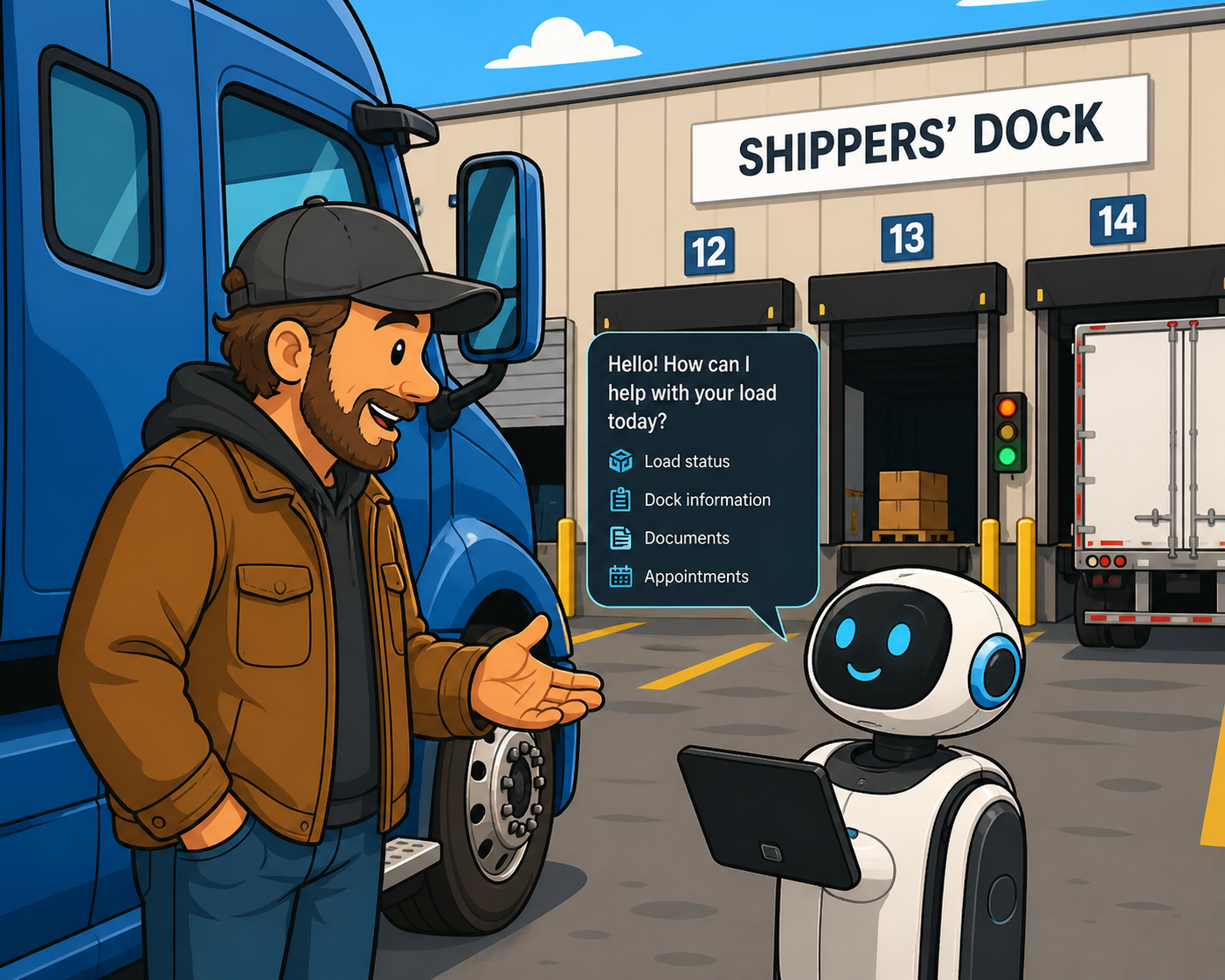
If you're a shipper booking a load with C.H. Robinson today, there's a good chance the quote, the appointment, the tracking update, and the paperwork are all touched by a piece of software, not a person. The company runs more than 30 AI agents now. They handle pricing, they book capacity, they chase missed pickups, they send the invoices. The company says 95% of the checks on missed LTL pickups are now done without a human, saving more than 350 hours of phone calls and clicking around every single day, and useless return trips to a shipper's dock are down 42%.
Carriers see the same thing from the other side. The voice asking where your truck is, when it will deliver, and why a pickup got missed is more often a piece of software. Rate offers are coming out of pricing tools, not a rep who knows your lanes. The detention claim, the appointment reset, the proof-of-delivery follow-up — all of it is moving to bots. For a small fleet or an owner-operator, that changes the relationship. You are no longer dealing with a person you can build trust with. You are dealing with a system that compares you to thousands of other trucks in real time.
The math is what keeps Wall Street happy. Adjusted earnings per share grew 15% from a year earlier, and that happened even though spot truckload costs jumped about 19% — the kind of move that usually crushes brokers. C.H. Robinson kept its main margin steady at 14.6% and pulled in even more profit on each load in its North American truckload arm. The company is paying carriers more, charging shippers about the same, and keeping more for itself. Fewer people in the middle is how the math works.
And the company is telling everyone what comes next. Personnel costs are being guided lower again in 2026, with more productivity, more software, and fewer people. The simple version is that the broker is getting smaller and the bots are getting bigger. The complicated version is that every other broker calling your truck or your shipping department is watching this play out, doing the same math, and asking how soon they can do the same. If C.H. Robinson is right, the brokerage business is about to look very different — for the people on the phones, the people on the docks, and the people behind the wheel.