The United States has cancelled the visas of roughly 20,000 Mexican truck drivers over the past year as federal authorities intensify a crackdown on cabotage. The figure comes from Canacar, Mexico's national freight transport chamber, which said the revocations occurred between April 2025 and April 2026. Canacar president Augusto Ramos Melo attributed the number to the American Trucking Associations.
Transportation Secretary Sean Duffy confirmed the enforcement campaign in a recent interview with 12News in Phoenix. He said the Department of Transportation is sharing data with U.S. Customs and Border Protection to cancel the visas of drivers found violating cabotage rules. Penalties escalate with each offense: a first violation can carry a six-month or one-year out-of-service order and a flag at the border on the driver's next crossing, while repeat offenders face a permanent ban. About 3,200 of the year's cancellations were tied to cabotage specifically, Duffy said. The remainder stem from other violations, including failure of the English-language roadside check, which became an out-of-service offense last year.
None of the reporting to date has involved Canadian drivers. But the rules governing Canadian operators are identical to those now being enforced at the southern border.
Cabotage refers to the transport of freight between two points within the same country. A B-1 driver, whether Canadian or Mexican, may haul an international load into the United States and carry an international load back out. The driver may not move a purely domestic U.S. load between two American cities, supplement an international load with domestic freight, or solicit loads while in the country. Both Canadian and Mexican drivers operate under the same B-1 business visitor rules.
The principal difference is documentary. Canadian citizens require no visa and are admitted on proof of citizenship alone. Mexican drivers must first obtain a B-1/B-2 visa or border crossing card from a U.S. consulate. That exemption, however, protects the document rather than the driver: a Canadian citizen found in violation can still be denied entry, flagged, and placed out of service.
The exemption also carries a significant limitation. It applies only to Canadian citizens. A driver based in Canada as a permanent resident or on a work permit, but not yet naturalized, still requires a B-1/B-2 visa stamped in a home-country passport to cross commercially; a PR card alone is not sufficient for U.S. entry. The affected population is substantial. A significant share of Canada-based drivers are not Canadian citizens, many of them recent arrivals still working toward naturalization. For those drivers, the exposure mirrors that of their Mexican counterparts: a physical visa subject to cancellation, the same instrument revoked 20,000 times at the southern border.
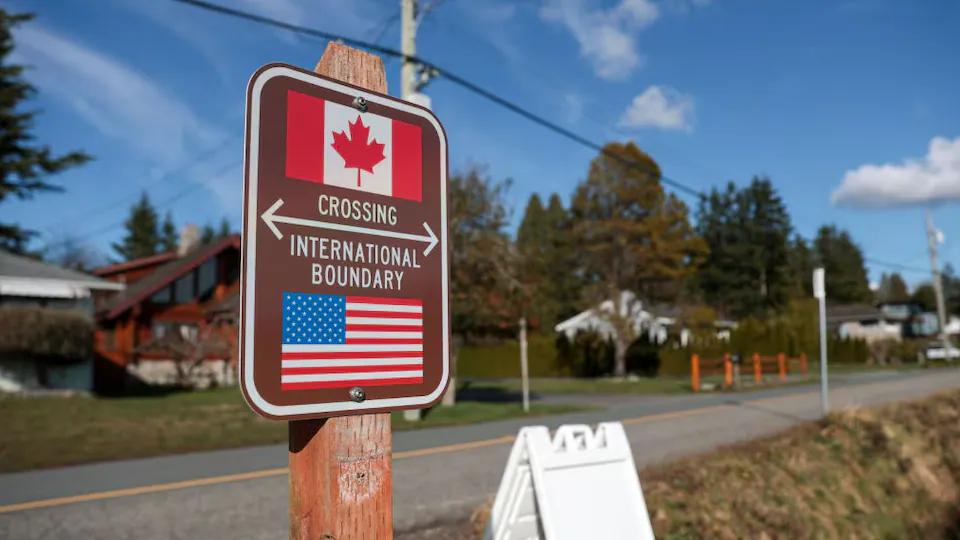
Enforcement has not yet reached the northern border. The cancellations and the attention surrounding them have centred on the U.S.-Mexico line, and Canadian drivers have not figured in the campaign. That reflects where enforcement has been directed, not a distinction in the underlying law. The rule is the same, as are the mechanisms to enforce it: the data sharing between DOT and CBP, the roadside inspections, and the authority to refuse entry apply equally at Sarnia or Fort Erie as at Laredo.
The practices most likely to draw scrutiny are well established. Picking up a second U.S.-to-U.S. load after delivering an international one. Repositioning an empty trailer between two U.S. points the driver neither entered nor will depart with. The most reliable safeguard is a clean bill of lading documenting the international origin and destination of the load, and permanent-resident and work-permit drivers should verify their visa is valid before each trip.
The 20,000 cancellations illustrate what follows when federal authorities move to enforce rules that went largely unenforced for years. Drivers running legitimate international loads have nothing to be concerned about, though carriers may find it worthwhile to refresh the training for dispatchers and drivers on what is permitted and what is not.